Vision
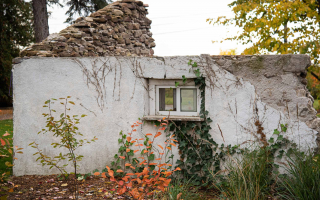
Rooted in the experience of their previous home — where inadequate insulation, drafts, and water infiltration were part of daily life — our clients sought a different path. Comfort, warmth, and durability became the foundation for what would come next: a well-sealed, thoughtfully built home.
Their in-depth research consistently led them to the principles of Passive House design — not as a trend, but as a proven way to achieve lasting comfort and performance. The journey began as a practical exploration: to test the benefits of passive design, understand its market viability, and keeping an eye toward future resale when investing in their new home.
What started as a pursuit of efficiency evolved into something deeper — a recognition of the home’s role in environmental stewardship. Over time, their focus expanded beyond warmth to sustainability, responsibility, and connection. Today, that vision embraces native plantings that support pollinators, and a design ethos that values community over individualism — a shift from me to we, grounded in care for both people and planet.
Design
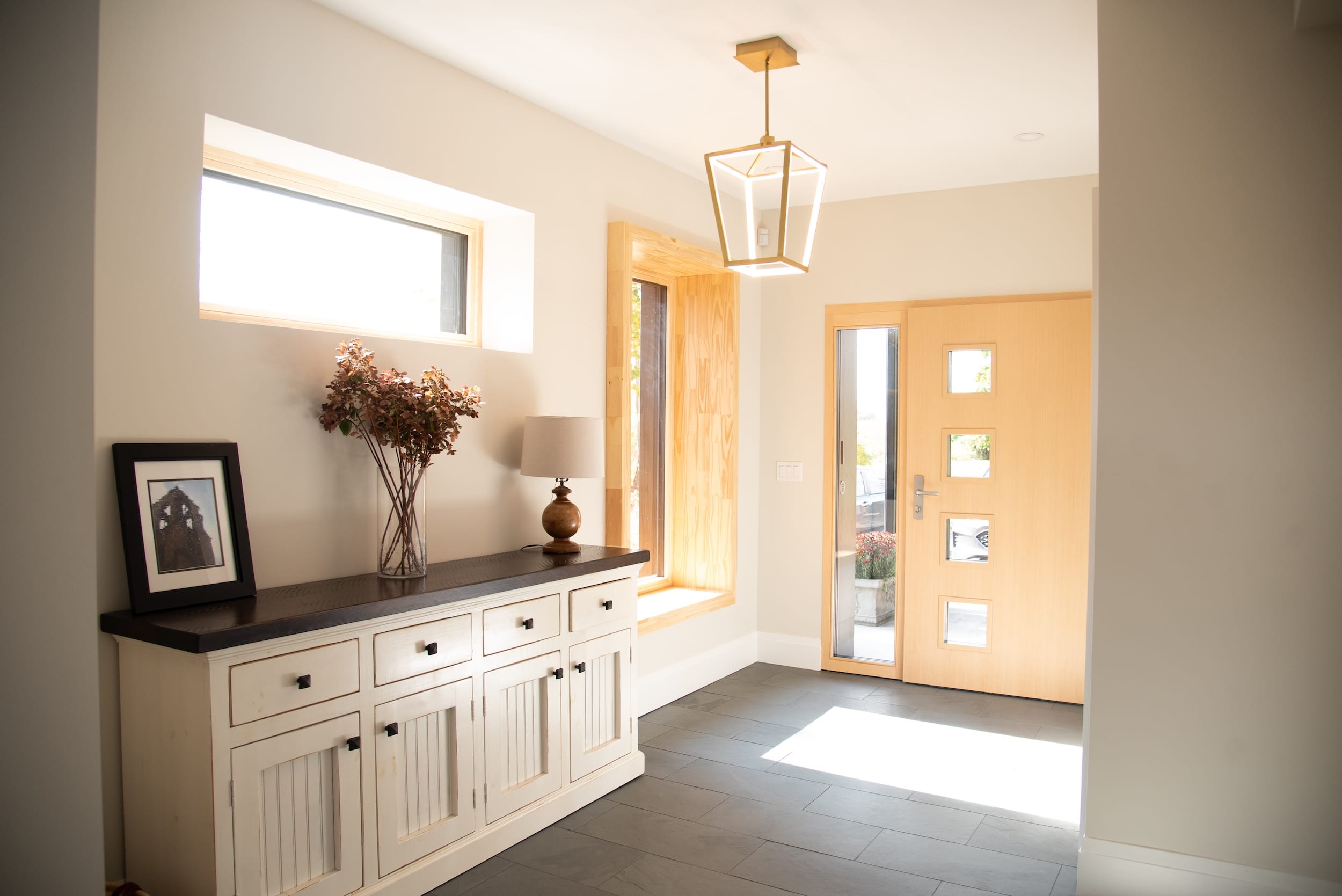
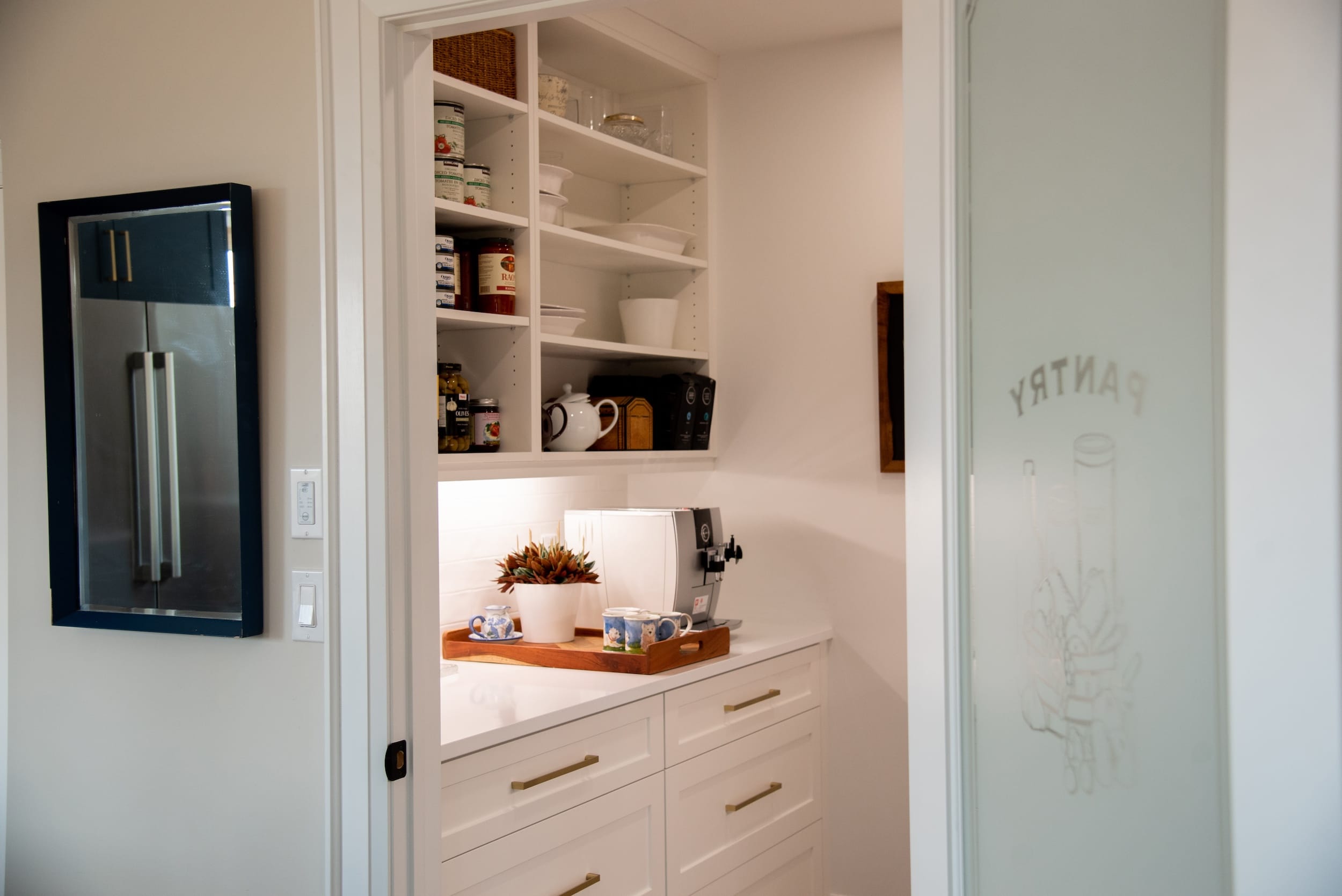
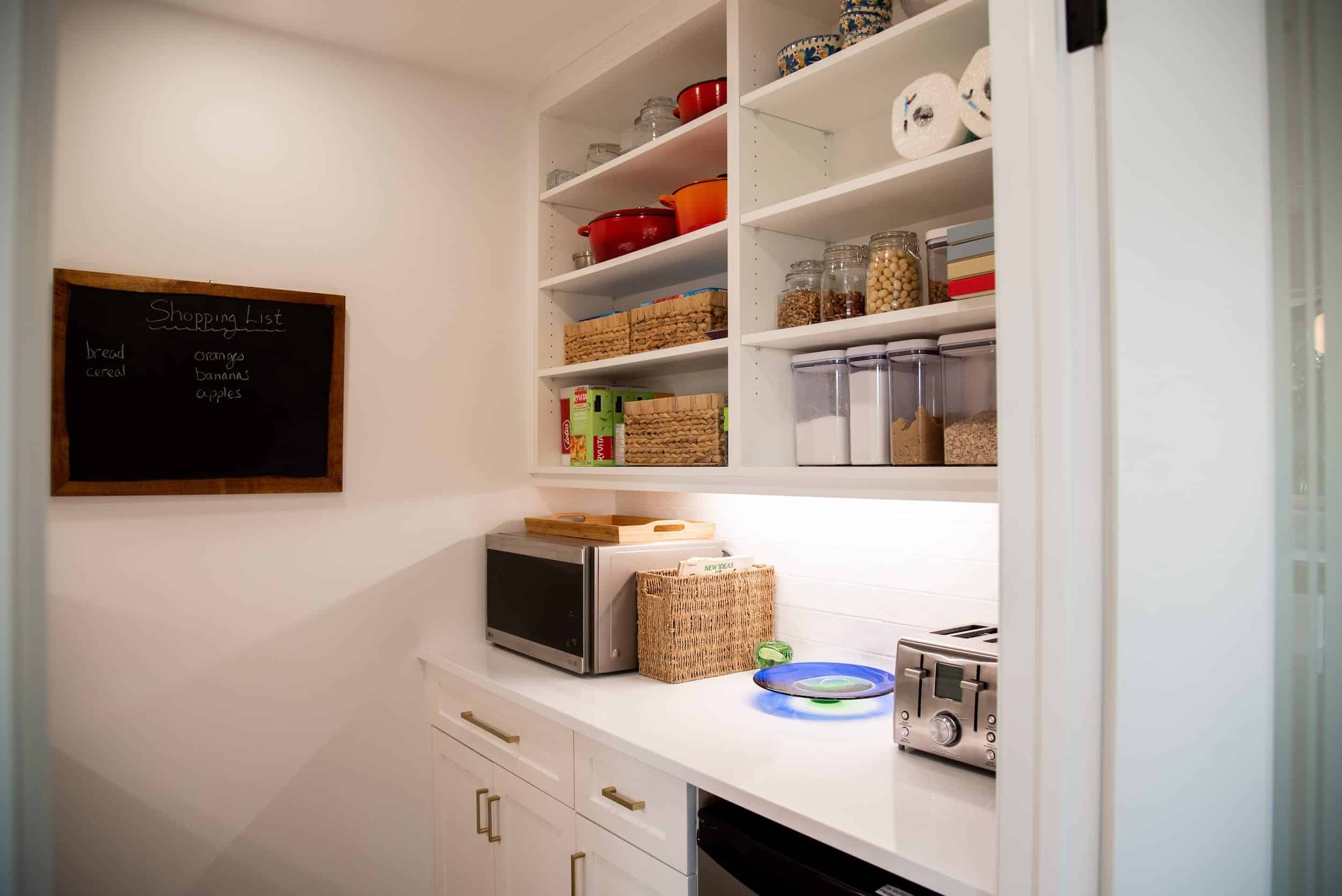
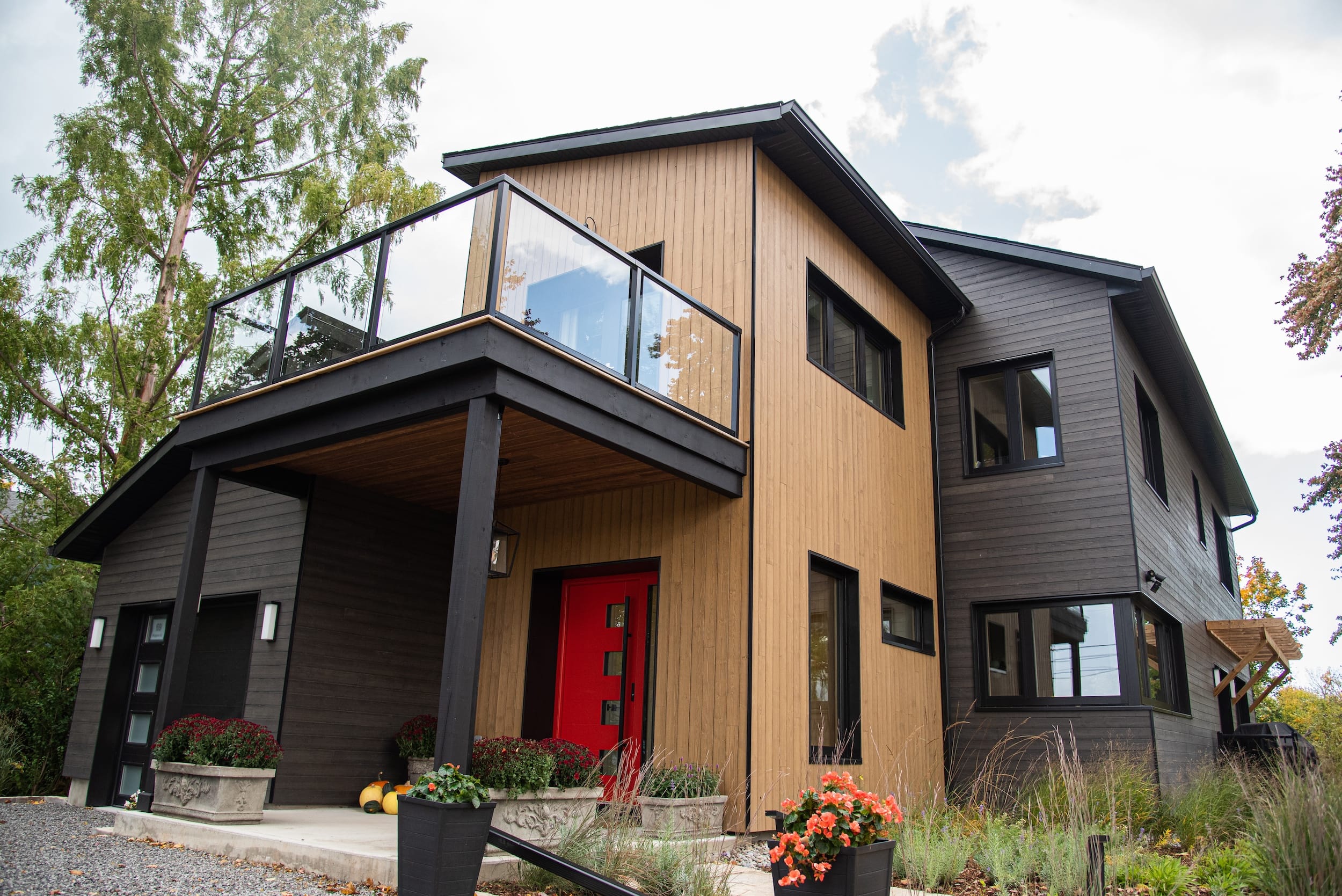
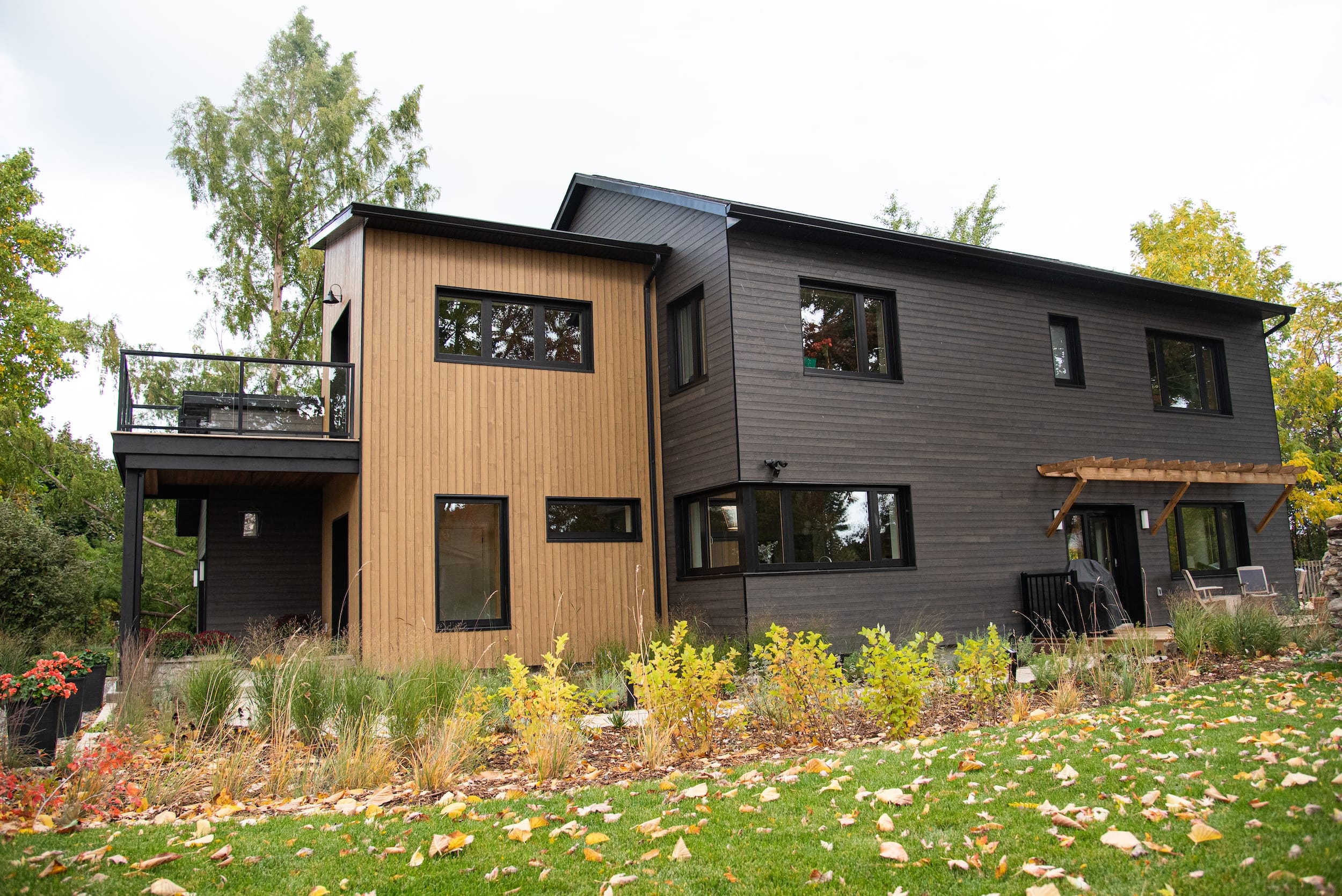
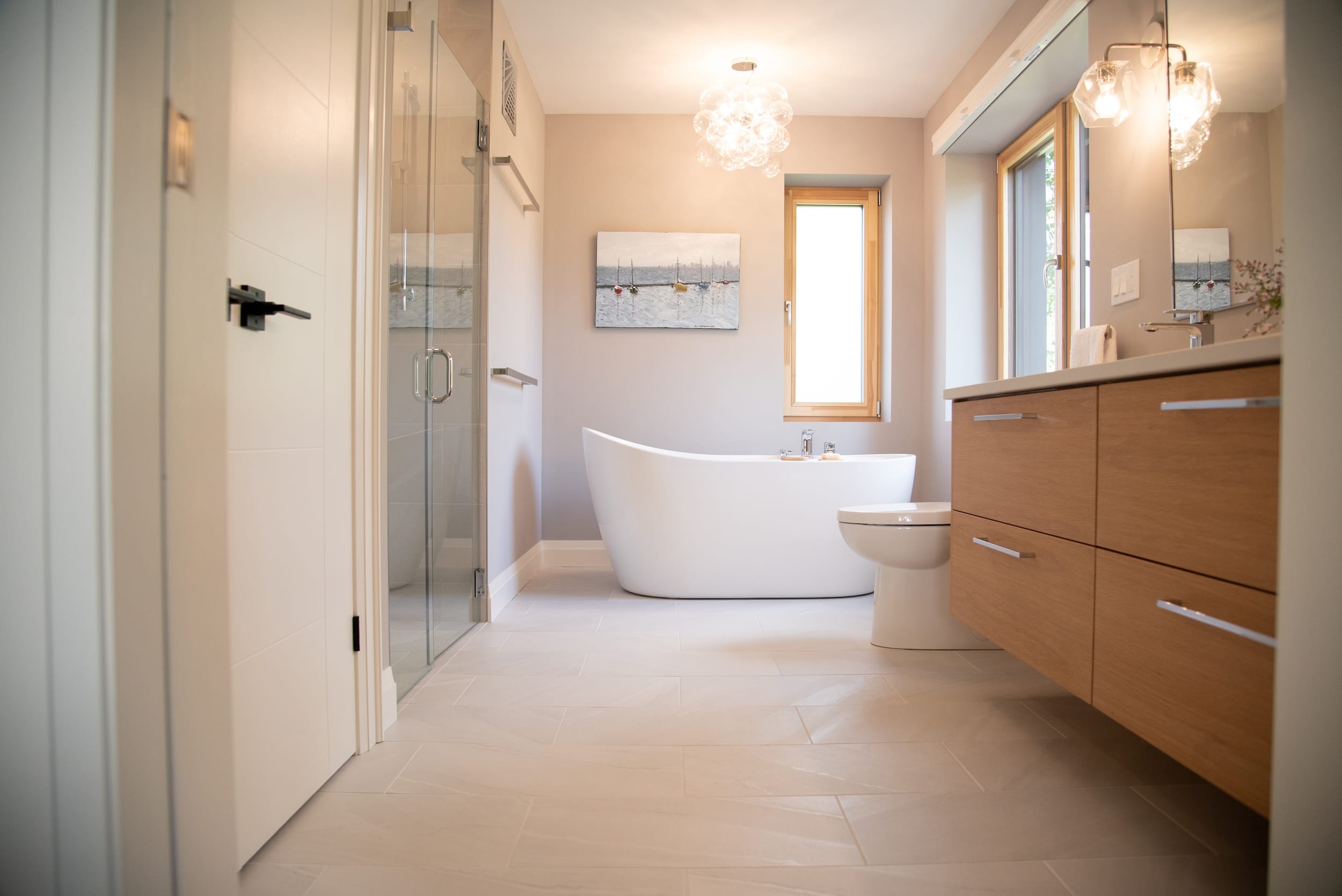
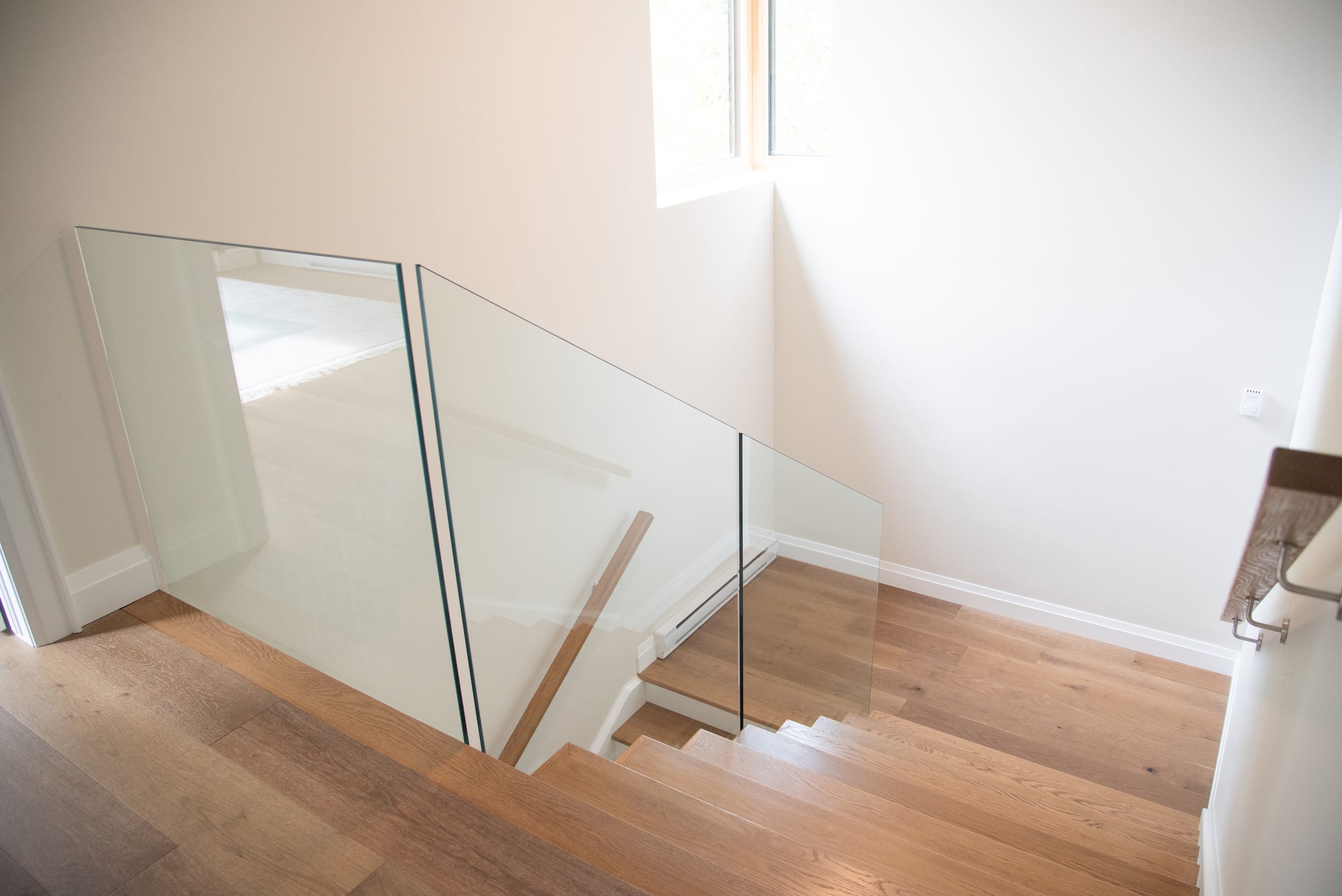
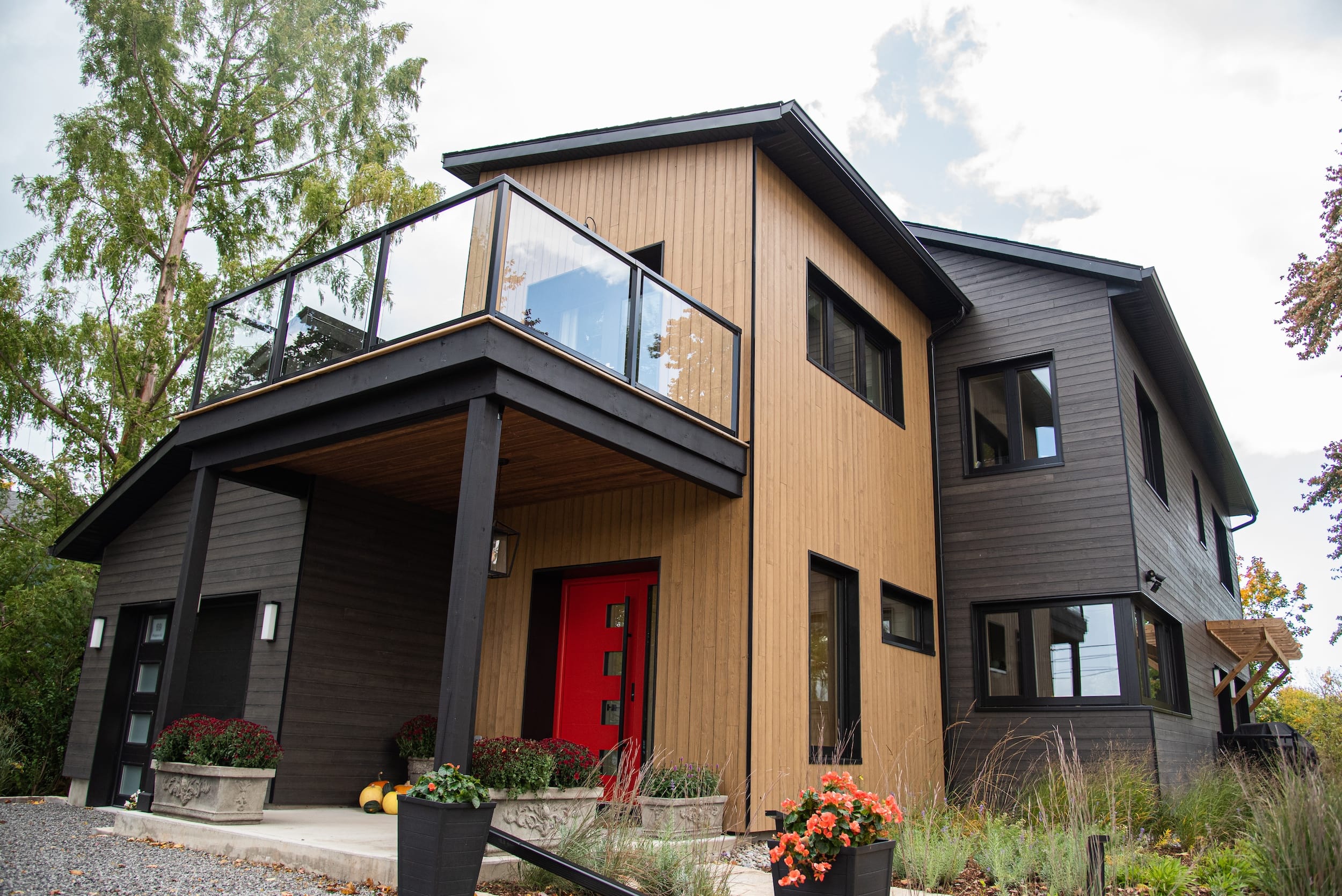
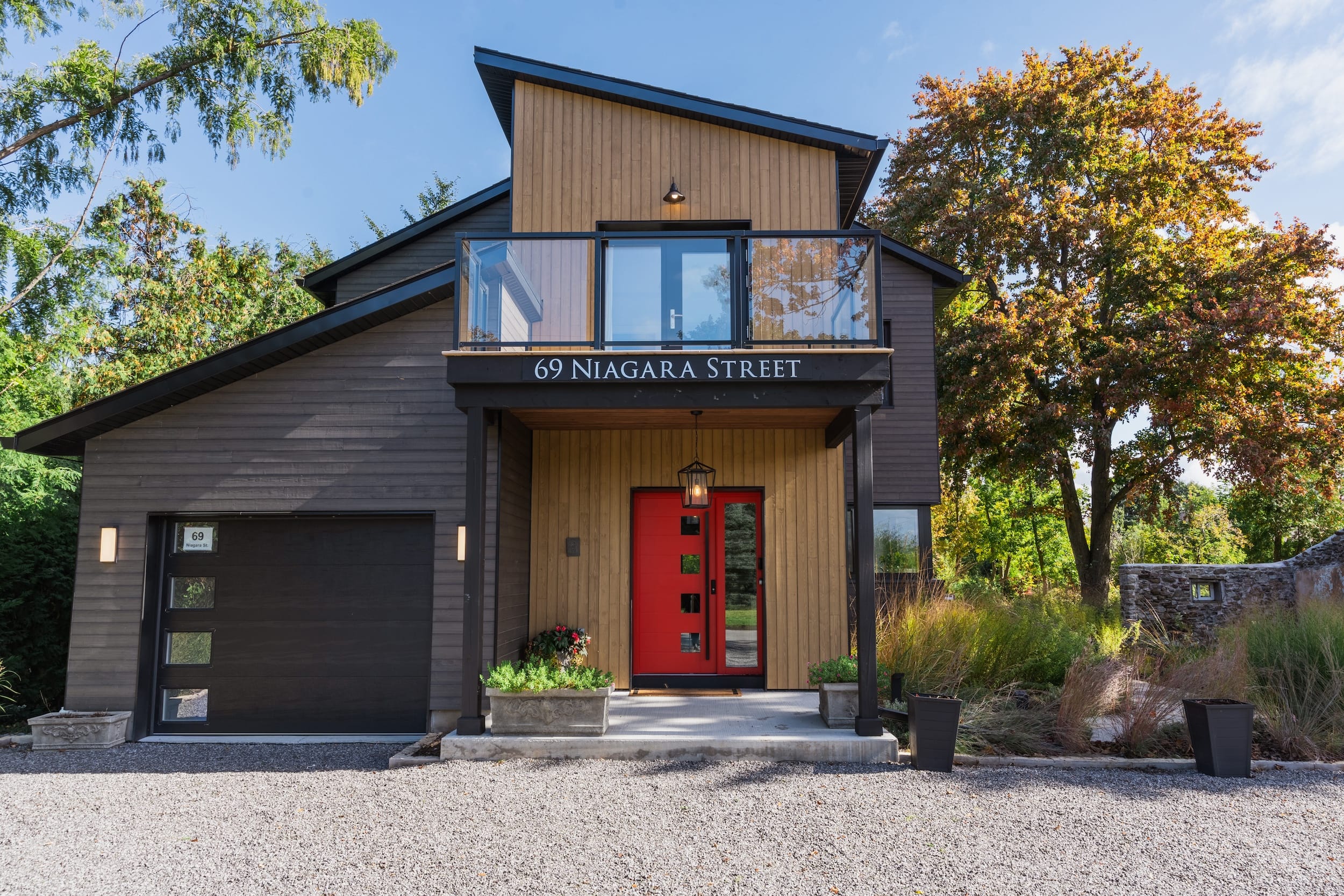
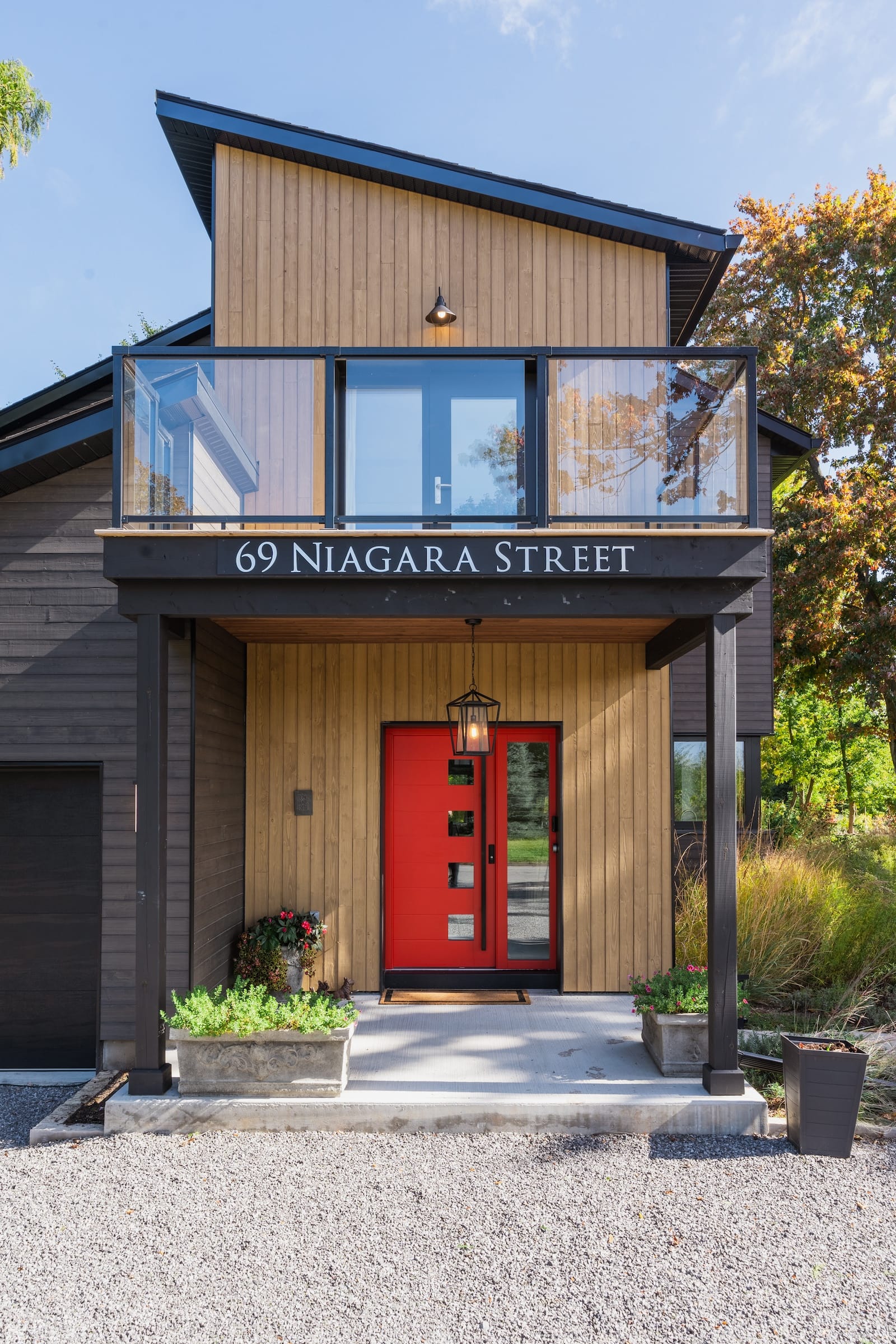
The design of the Passive Home began with a clear plan rooted in Passive House principles, but evolved organically to align with market expectations and future resale potential. The result balances performance with livability — an 11-foot basement that offers both functionality and a sense of openness, and carefully planned smaller, dual-purpose spaces that enhance efficiency without sacrificing comfort.
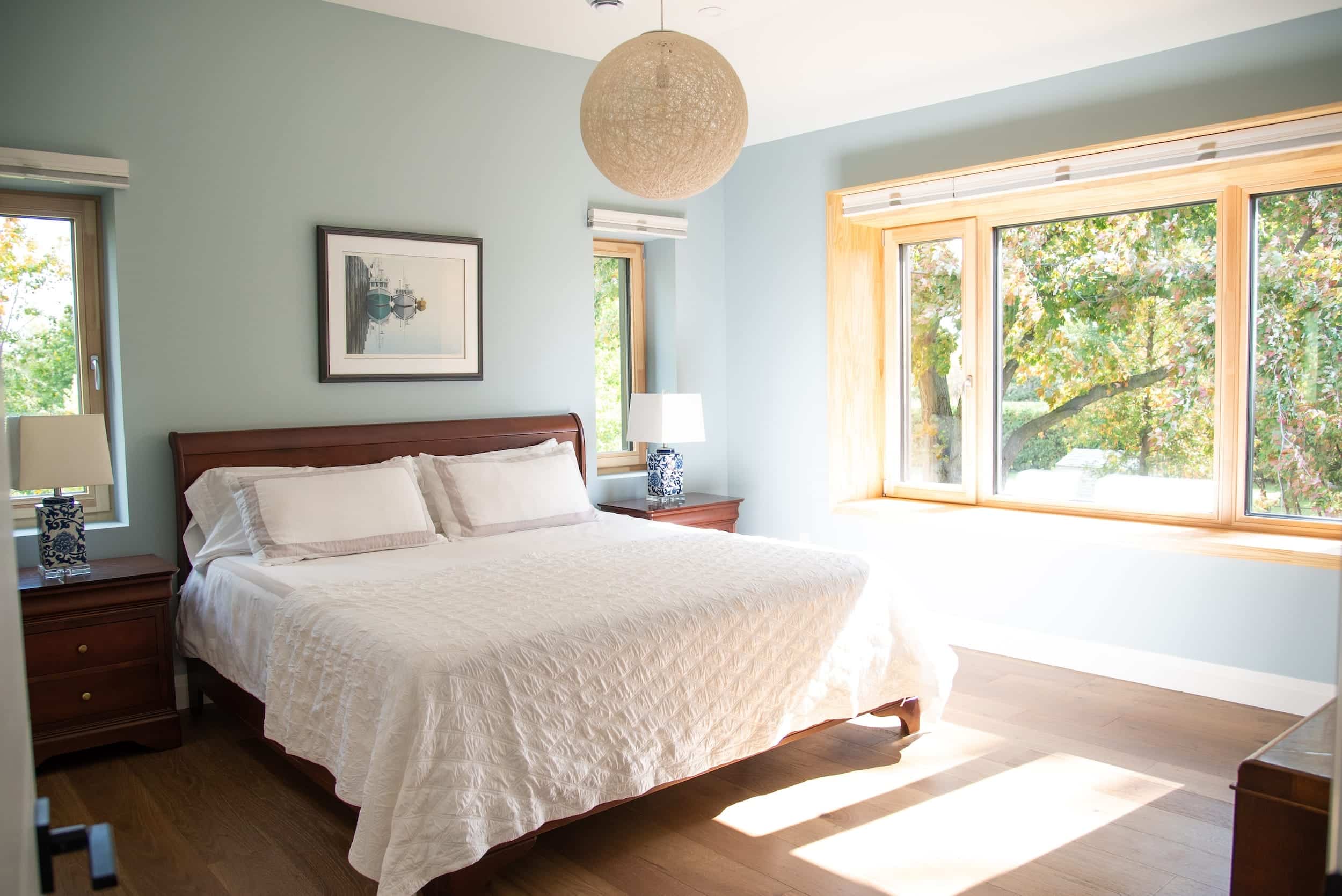
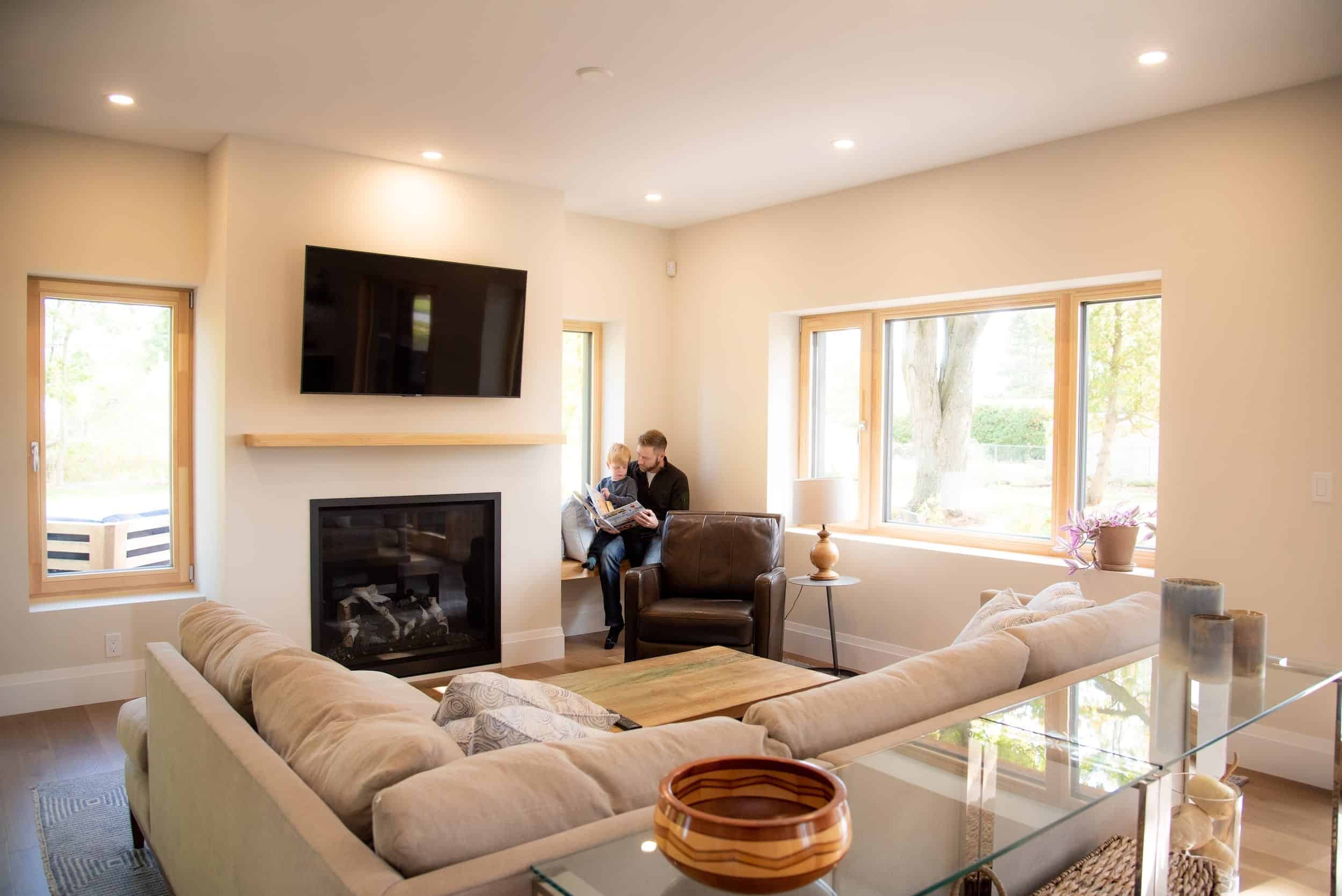
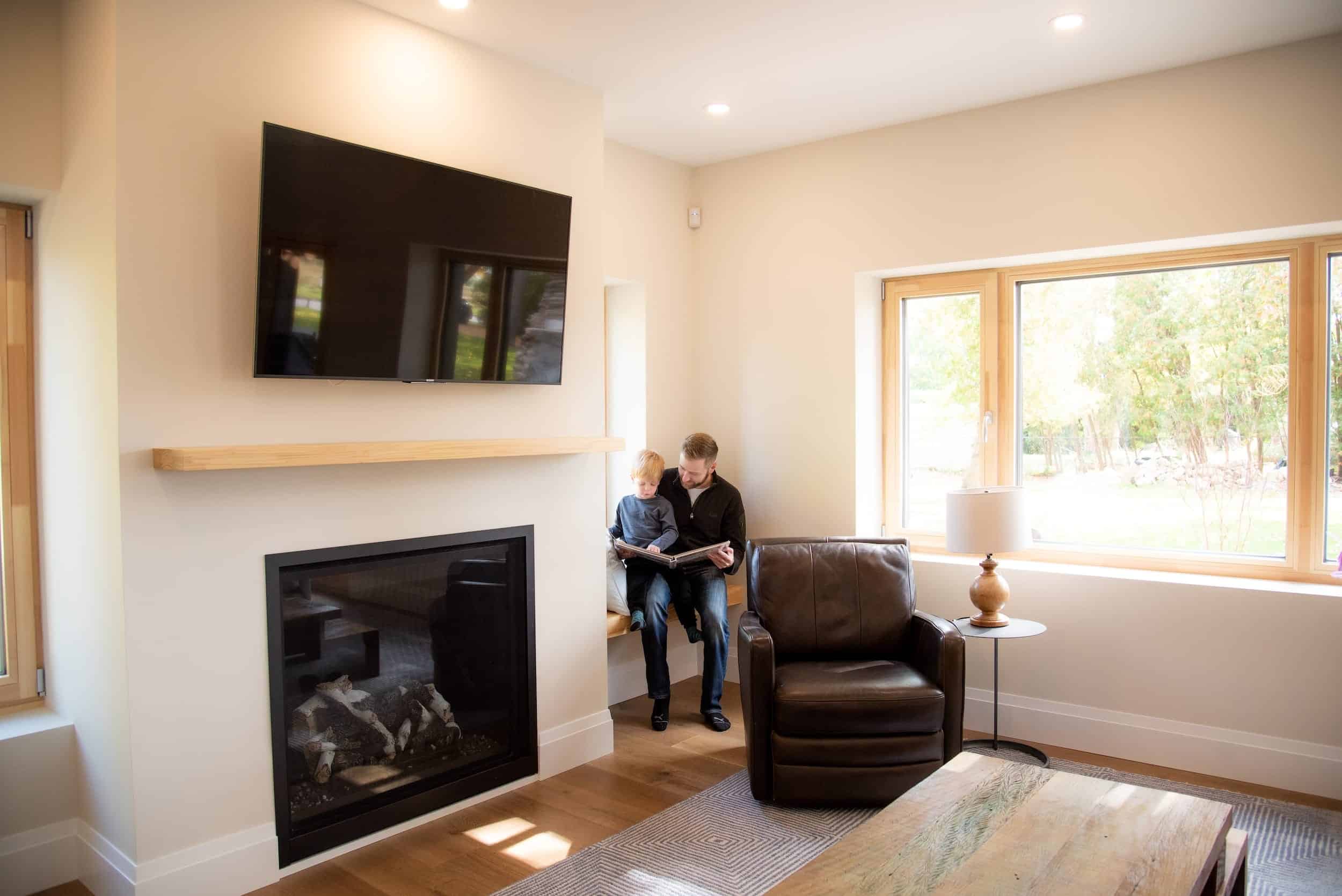
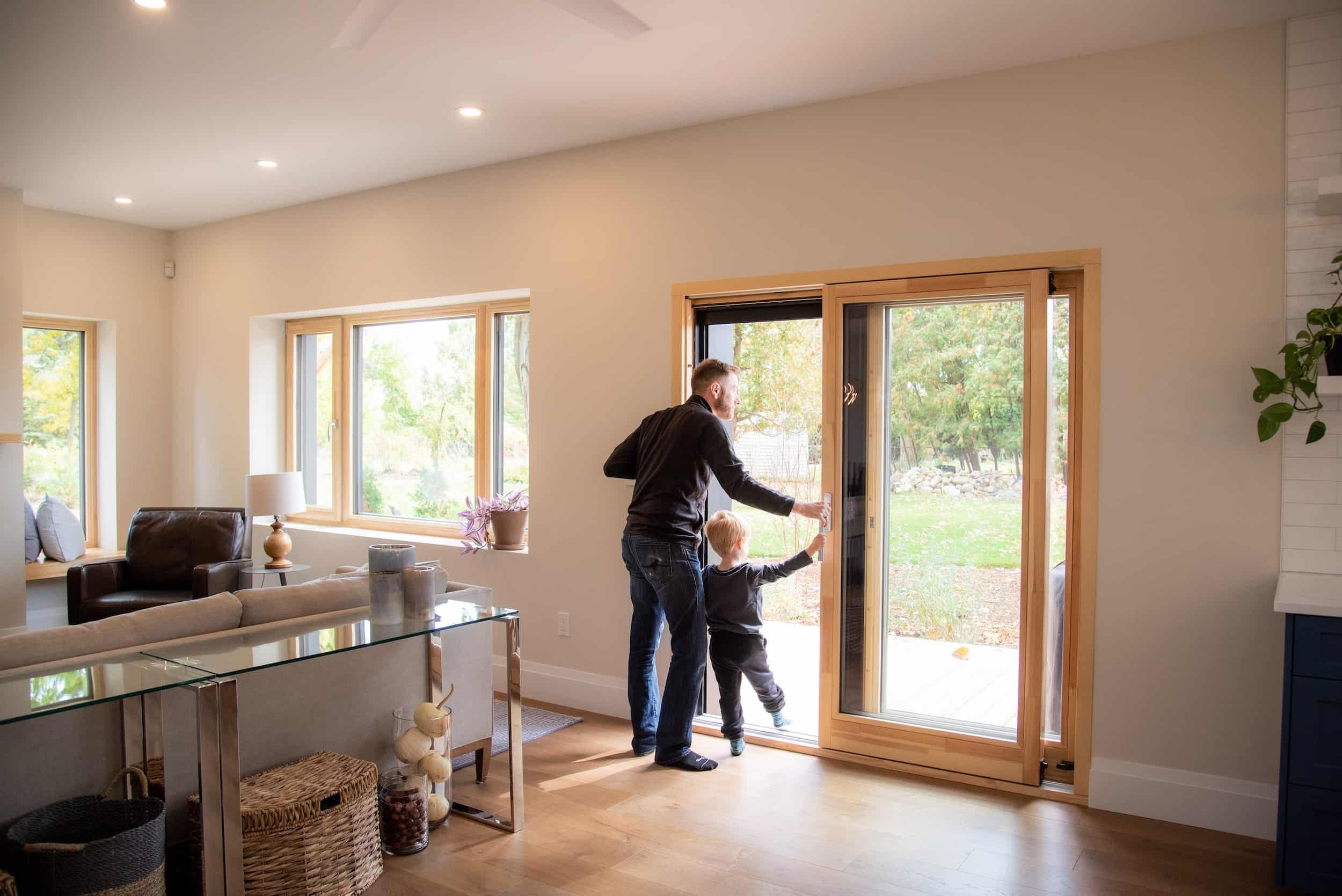
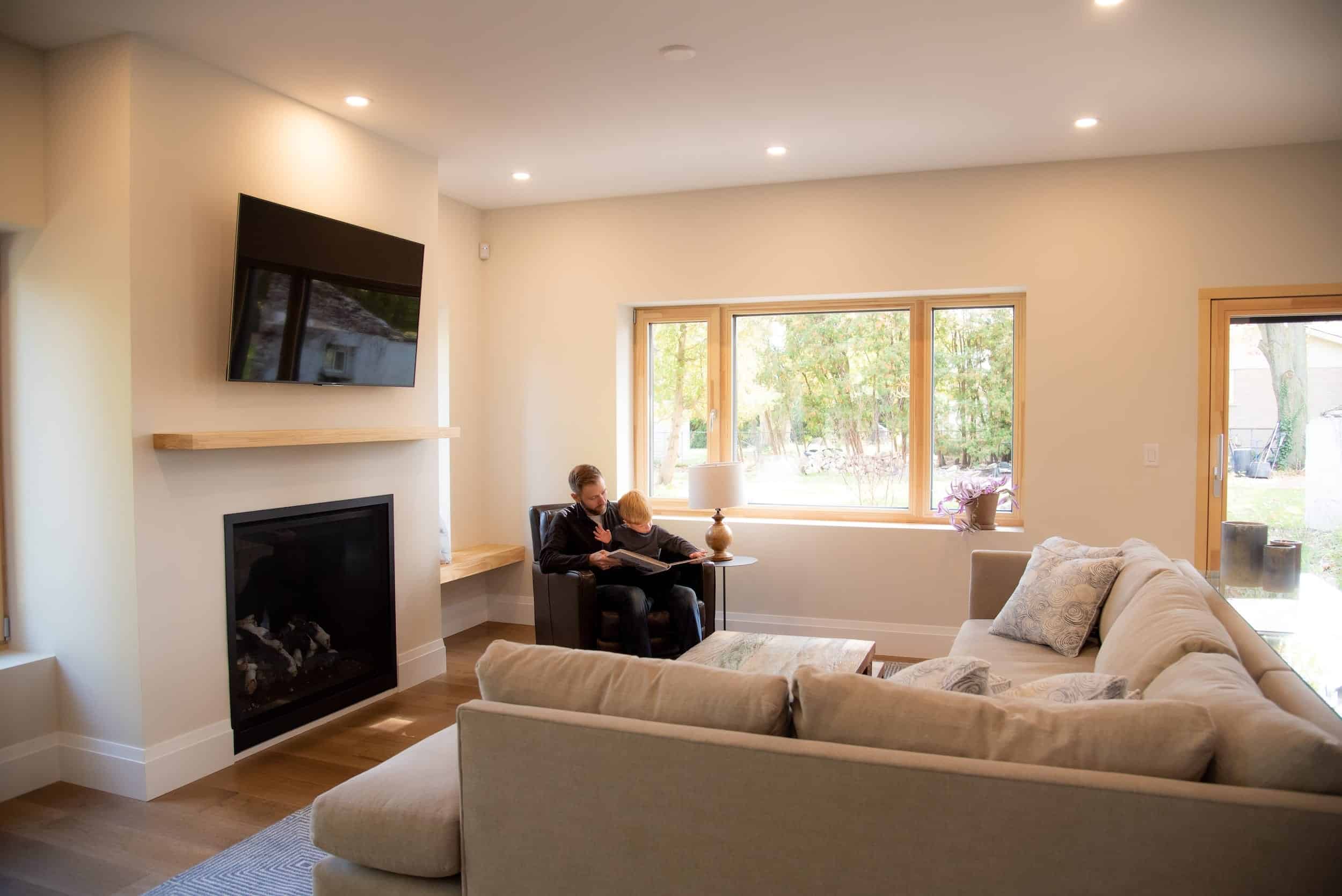
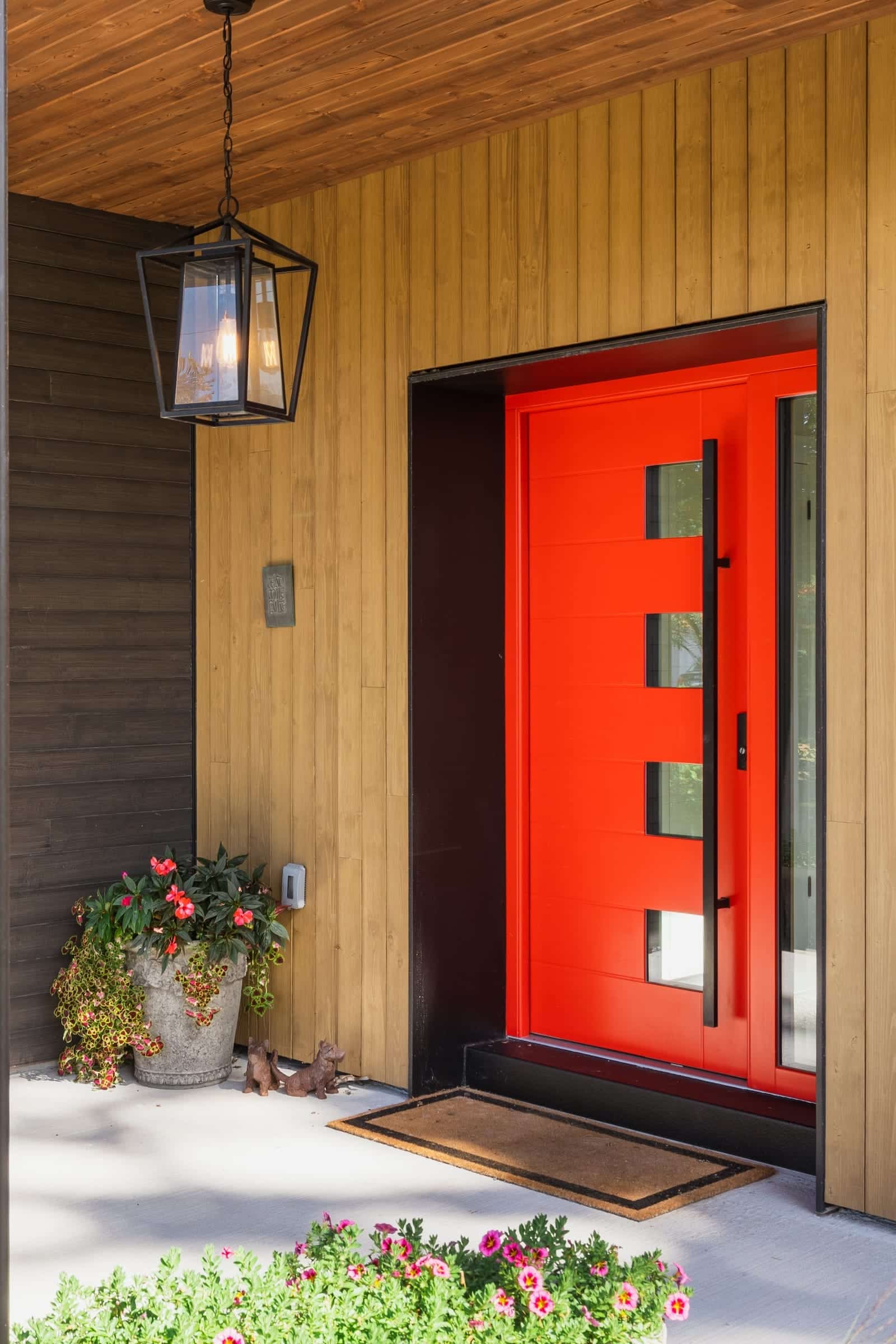
Throughout the process, the client’s desires guided key refinements: more windows to invite natural light, abundant sunlight to animate interior spaces, and a continued commitment to using natural materials that bring warmth, texture, and authenticity to every surface.
Key Challenges
Navigating the permit process presented early challenges, as unconventional building methods required additional dialogue and education among all stakeholders — from the build team to municipal officials. While codes existed, the nuances of Passive House construction demanded a shared understanding of performance requirements and innovative detailing beyond conventional practice.
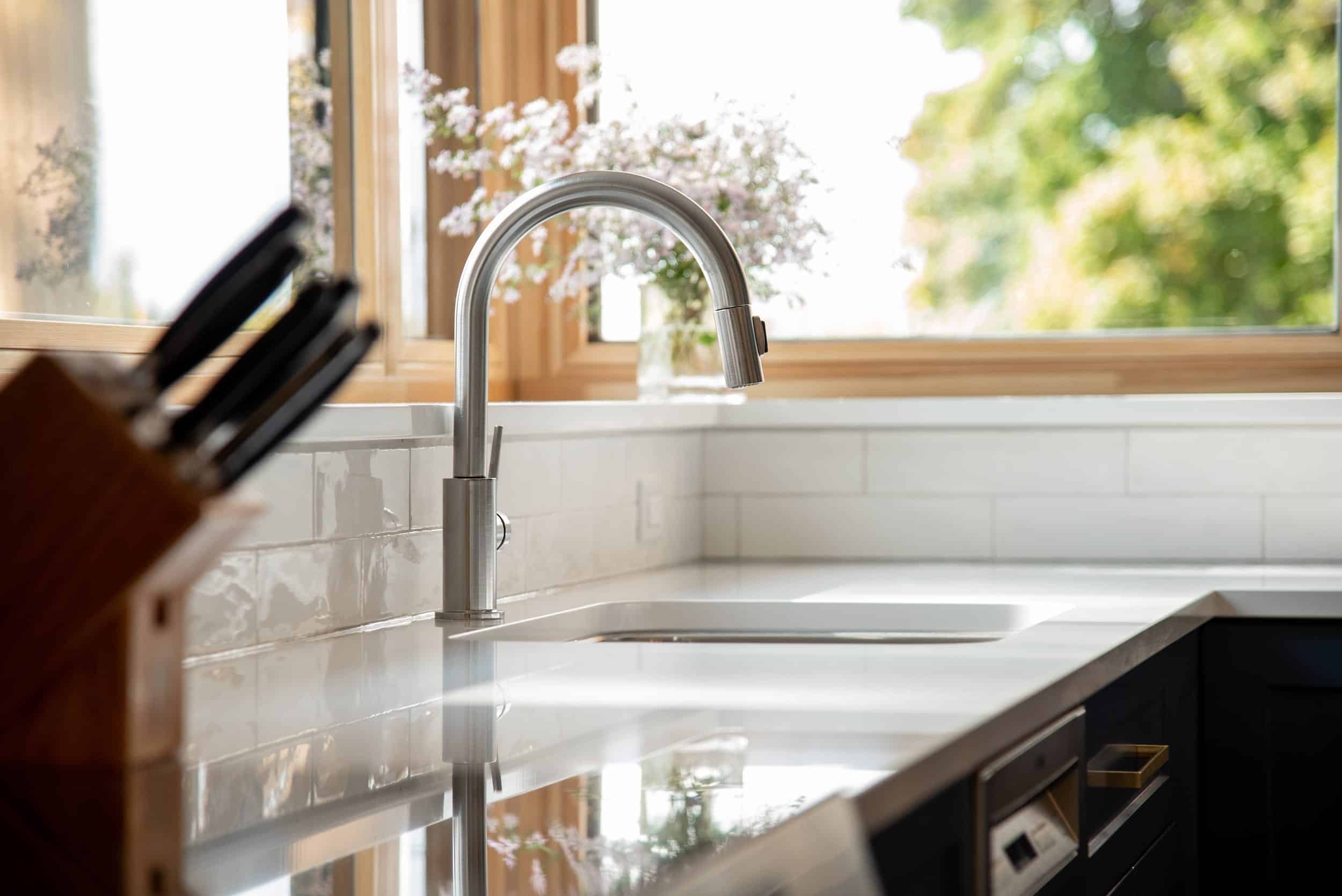
Sourcing the right materials added another layer of complexity. Identifying European windows that met the required R-values for our climate — without compromising the client’s desired aesthetic — required extensive research and coordination. Achieving both energy performance and design integrity became a careful balancing act central to the project’s success.